Strategic Priorities
Strategic Direction and Board Development Progress
Founded in 2006, ADTA was sustained entirely through volunteer leadership for more than 15 years. In 2022, the association began adding staff capacity as its membership, programs, partnerships and national responsibilities continued to grow. This evolution highlighted the need for a shared long-term direction supported by stronger governance, sustainable systems and meaningful involvement from dental therapists.
Establishing ADTA’s 2025–2026 Priorities
In early 2025, ADTA worked with members of the dental therapy community and national partners to develop a short-term strategic direction. This collaborative process identified several immediate priorities for the association:
- Advancing national dental therapy compensation research.
- Continuing the Minimally Invasive Dentistry and CAMBRA Workgroup project.
- Developing more diverse and sustainable funding sources.
- Increasing membership recruitment and engagement.
- Convening the dental therapy community through a national conference.
- Expanding communications and public education.
- Strengthening Board recruitment and development.
These priorities gave ADTA a practical framework for directing its limited capacity and resources toward the profession’s most immediate needs. Throughout 2025 and 2026, the association made progress across these areas by:
- Partnering with CareQuest Institute for Oral Health on national provider and compensation research.
- Gathering information from dental therapy education programs through the MID/CAMBRA initiative.
- Expanding education and professional development opportunities.
- Strengthening relationships with Tribal communities, education programs, state partners and national oral health organizations.
- Increasing outreach to dental therapists, students and educators through newsletters, webinars, social media and program presentations.
- Expanding communications capacity and increasing the national visibility of dental therapy.
- Securing significant grant support from CareQuest Institute and the Arcora Foundation.
- Convening dental therapists, students, educators, Tribal leaders, advocates, employers, funders and community partners through ADTA’s national conferences.
- Expanding opportunities for members to participate through committees, workgroups, Board service and other leadership roles.
- Improving organizational systems related to membership, continuing education, communications, data collection and the national dental therapy map.
The short-term strategic direction helped ADTA align its programs, partnerships and funding opportunities while identifying the organizational systems needed for continued growth. It also demonstrated the need for a more comprehensive long-term strategy with measurable goals, clear accountability and sustained input from dental therapists and community partners.
Developing ADTA’s Long-Term Strategic Direction
Building upon the 2025–2026 priorities, ADTA began a formal, equity-centered strategic planning process in 2026 to define the association’s direction for the next five to ten years.
With generous funding from the Arcora Foundation, ADTA hired Be Culture to guide this work. Be Culture partners with boards and organizational leaders to strengthen culture, leadership and strategic direction while integrating equity throughout the process.
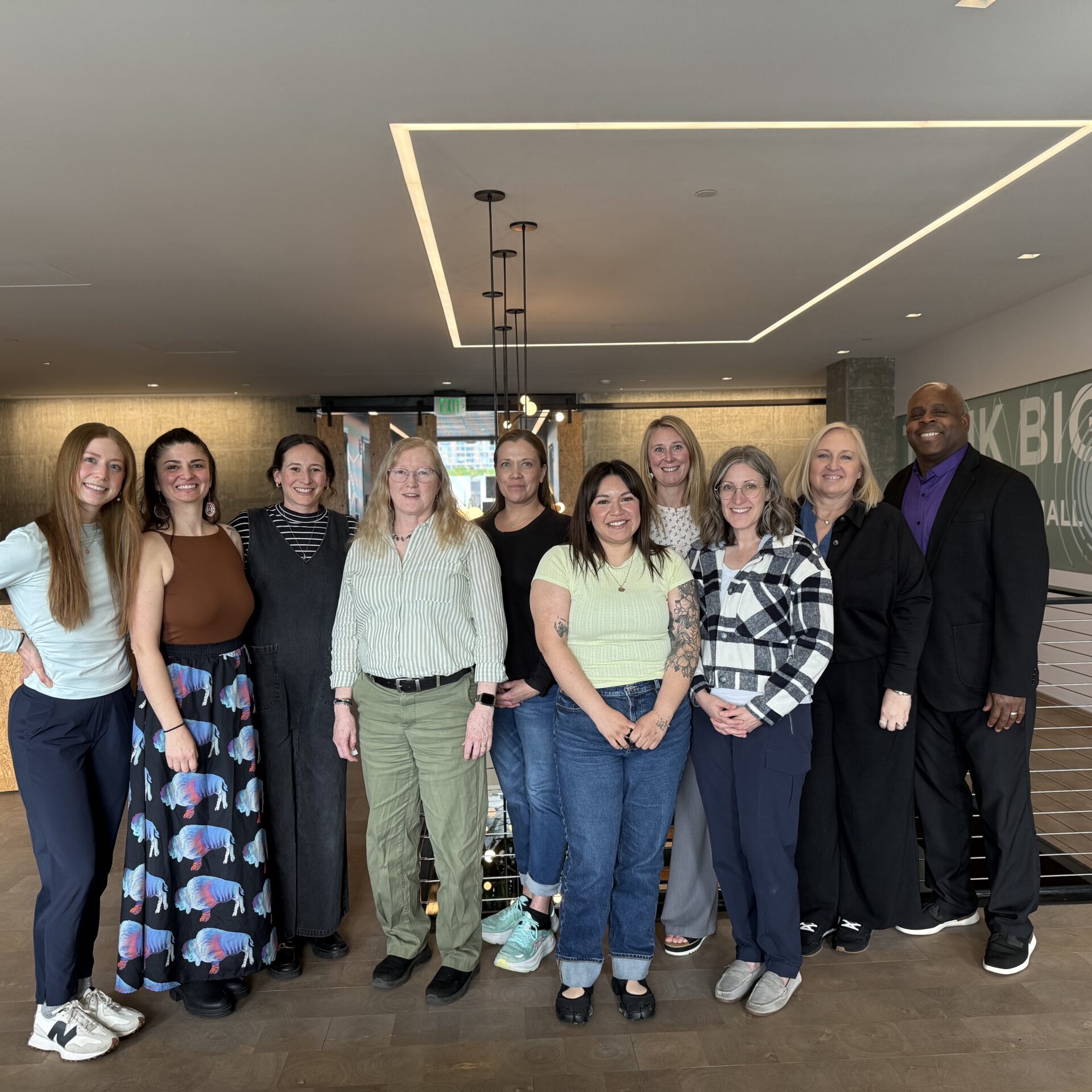
In May 2026, ADTA’s Board and staff participated in a multi-day, in-person strategic planning retreat in Seattle facilitated by Be Culture. Participants examined ADTA’s history and development, the current oral health environment, the organization’s strengths and challenges, and the evolving needs of dental therapists and the communities they serve.
The retreat focused on:
- Clarifying ADTA’s mission, vision and organizational values.
- Defining ADTA’s role as the national association representing and supporting dental therapists.
- Identifying priorities related to national infrastructure, membership, education and workforce pathways, public understanding, policy, research and financial sustainability.
- Creating stronger opportunities for dental therapists, students and members to shape the association and the future of their profession.
- Embedding justice, equity, diversity and inclusion within ADTA’s governance, programs, partnerships and decision-making.
- Strengthening membership engagement, mentorship, leadership development and student support.
- Identifying the capacity, partnerships and resources ADTA will need over the next five to ten years.
This process moved ADTA closer to a shared strategic direction grounded in the voices and experiences of dental therapists. Work following the retreat has focused on refining the priorities, connecting them to measurable goals and determining how the Board, staff, members and partners will contribute to implementation.
Board Development and Governance
ADTA’s strategic planning process reinforced the importance of strong, transparent and accountable governance. During 2026, the organization continued strengthening the Board’s ability to provide strategic leadership, exercise financial oversight and remain accountable to members and the broader dental therapy community.
Board development activities addressed:
- Nonprofit governance and fiduciary responsibilities.
- The respective roles of the Board, officers, staff and committees.
- Financial oversight, fundraising and organizational sustainability.
- Equity-centered governance and decision-making.
- Board recruitment, orientation, succession planning and leadership development.
- Review of bylaws, policies, committee structures and organizational practices.
- Board and member involvement in fundraising, partnerships and relationship building.
- Representation of dental therapists and communities most affected by oral health inequities in leadership and decision-making.
ADTA also strengthened its committee and workgroup structures to create meaningful ways for members to contribute to governance, fundraising, conference planning, research and professional initiatives. This involvement is essential to ensuring that ADTA’s priorities remain grounded in the needs of the profession and are not shaped by the Board or staff alone.
What Comes Next
ADTA’s strategic direction and Board development work will continue into 2027. The next phase will include:
- Gathering additional input from members, dental therapists, students and partners.
- Finalizing ADTA’s long-term strategic priorities.
- Establishing measurable goals, timelines and indicators of progress.
- Clarifying responsibilities for the Board, staff, committees and partners.
- Aligning ADTA’s programs, fundraising and partnerships with the final strategic direction.
- Regularly communicating progress to members and the broader dental therapy community.
ADTA is grateful to the Arcora Foundation for making the formal strategic planning process possible, to Be Culture for its facilitation and guidance, and to the Board members, volunteers, members and partners who have contributed to ADTA’s growth and future direction.
A strong national association requires the participation of the profession it represents. Dental therapists, students and supporters are encouraged to become members, participate in committees and workgroups, share their experiences and help shape the future of ADTA and dental therapy.